1
Questionnaires & screening
Families provided information about respiratory symptoms, health and development.
The original RHiNO study has completed recruitment, but the contribution made by children and families continues to generate new knowledge about respiratory health after preterm birth.
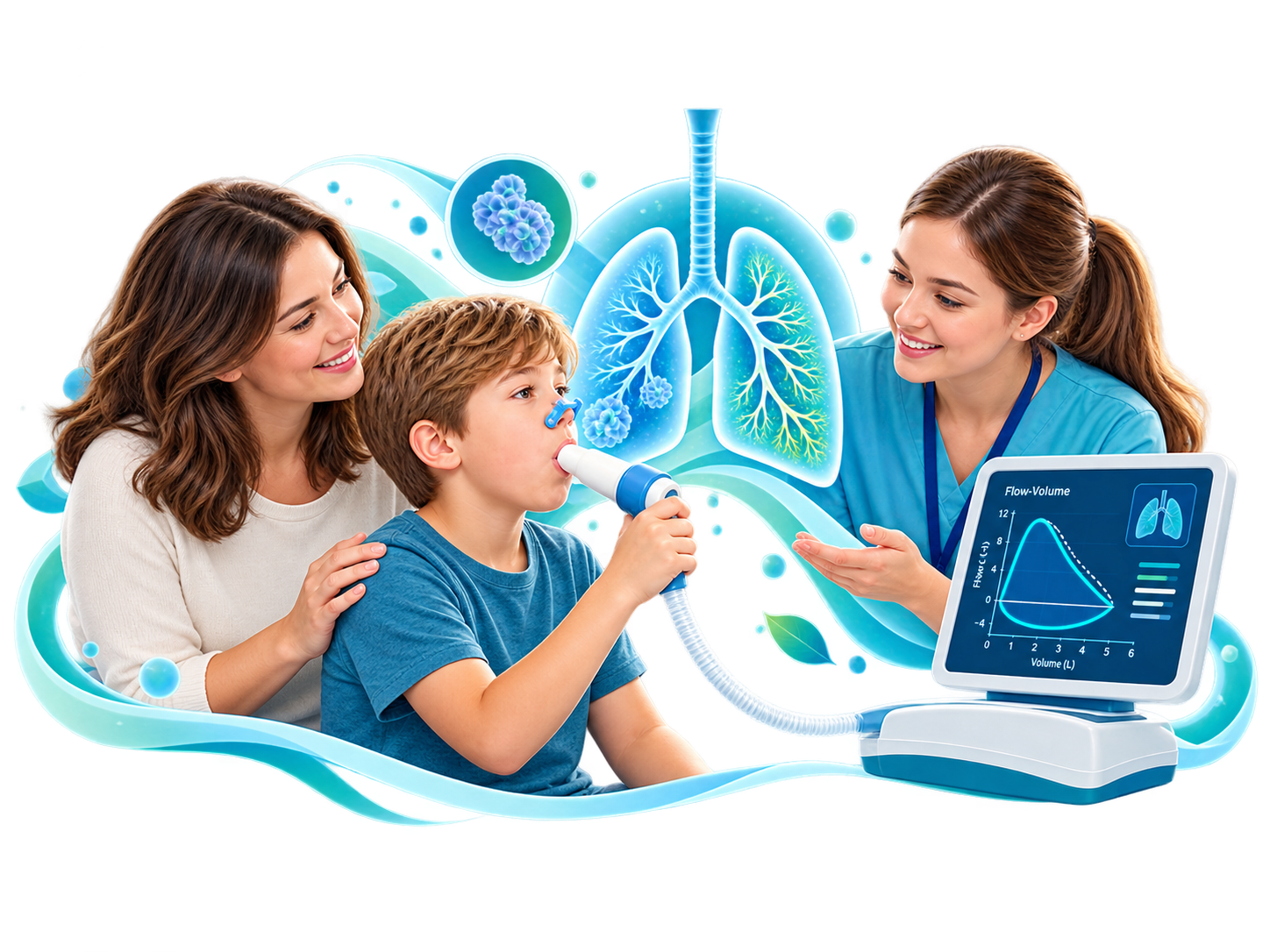
Children and families gave their time for questionnaires, home and hospital visits, breathing tests, exercise assessments, treatment studies and specialist lung imaging. Many also provided biological samples and detailed health information.
To all our participants and families: thank you.
Although the original study visits finished in November 2019, the information collected through RHiNO continues to support new analyses, publications and longitudinal research.
Families provided information about respiratory symptoms, health and development.
Children completed spirometry and bronchodilator testing at home or in a research facility.
Some children attended the research facility for more detailed physiological measurements.
Selected children completed exercise testing and/or the randomised inhaler trial.
A subgroup travelled to Sheffield for specialist radiation-free hyperpolarised-gas MRI.
The RHiNO cohort has supported research into lung function, exercise, inhaled treatment, advanced MRI, air pollution, biological mechanisms and the development of the prematurity-associated lung disease (PLD) phenotype framework.
The research is now increasingly asking how lung function and PLD phenotypes change through adolescence and towards adulthood.
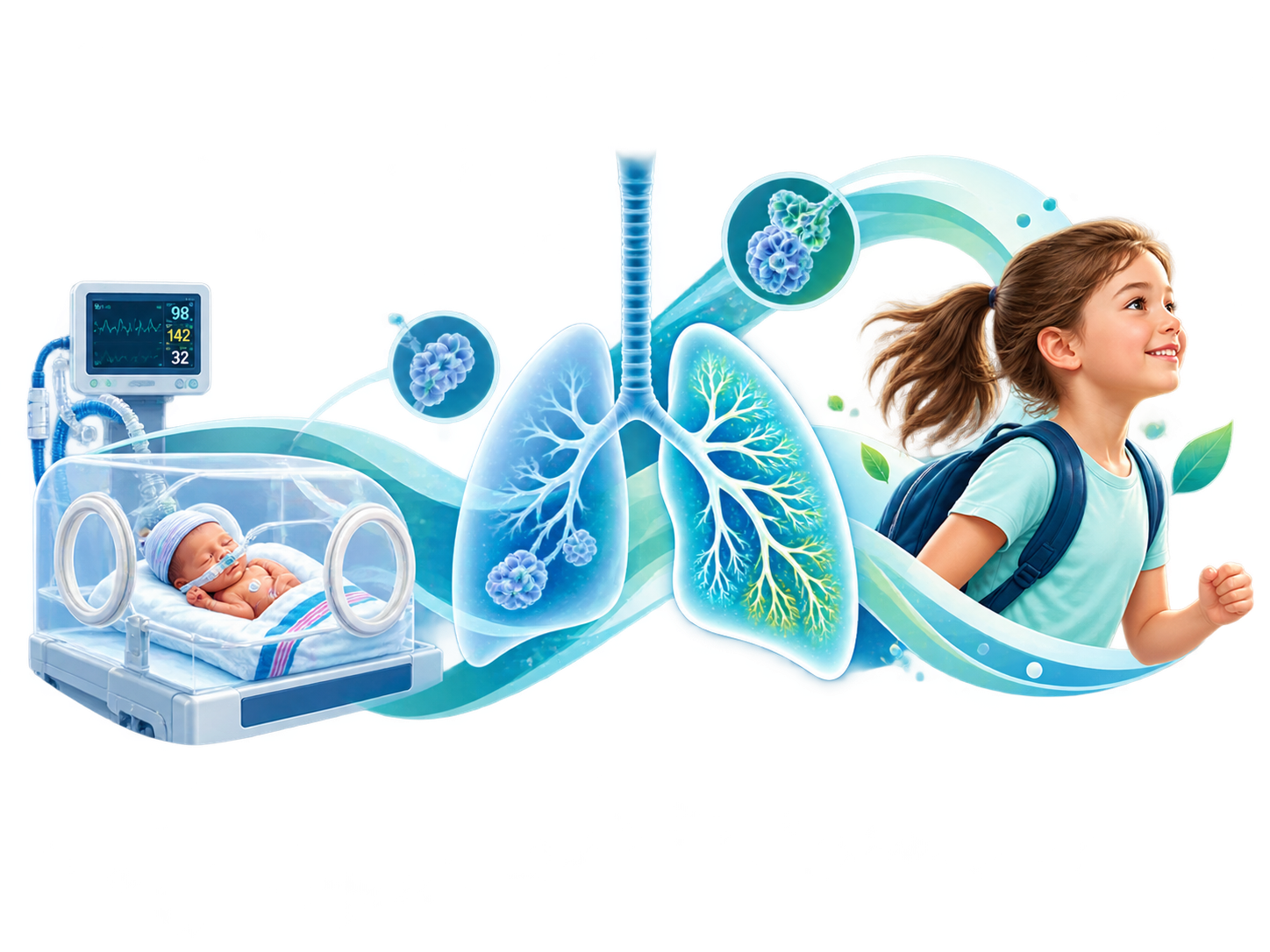
These documents were used while RHiNO was recruiting. They are retained as a historical study archive so participants and researchers can see exactly how the study was explained and conducted.
Parent/carer information and consent, child information and assent, and screening questionnaires for preterm-born and term-born children.
Open original screening documents ↗Information and consent/assent documents for trial participants and preterm-born and term-born control groups.
Open original trial documents ↗Historical peak-flow, symptom and inhaler diaries used during different stages of the study.
Open original diaries ↗Parent and child information and consent/assent sheets for the advanced lung-imaging component.
Open original MRI documents ↗The original RHiNO website includes demonstrations of the tests children encountered during the study.
See how breathing tests used in respiratory research are performed.
View original participant page ↗A specialist lung-function test used to measure aspects of lung volume and respiratory physiology.
View body-box information ↗Cardiopulmonary exercise testing helped assess how the lungs and circulation respond during exercise.
View exercise-test information ↗The Sheffield team used a specialist radiation-free MRI technique to examine lung structure and function.
View MRI information ↗How the study developed, what was measured and the full timeline.
Explore →What RHiNO has taught us about lung health after preterm birth.
Explore →Understand POLD, pPRISm, pDysanapsis and the PLD framework.
Explore →The complete scientific library generated by the programme.
Browse →Azithromycin Therapy for Chronic Lung Disease of Prematurity
Visit AZTEC ↗Preventing respiratory infections after discharge
Visit BALLOON ↗Respiratory Health Outcomes in Neonates
RHiNO home →