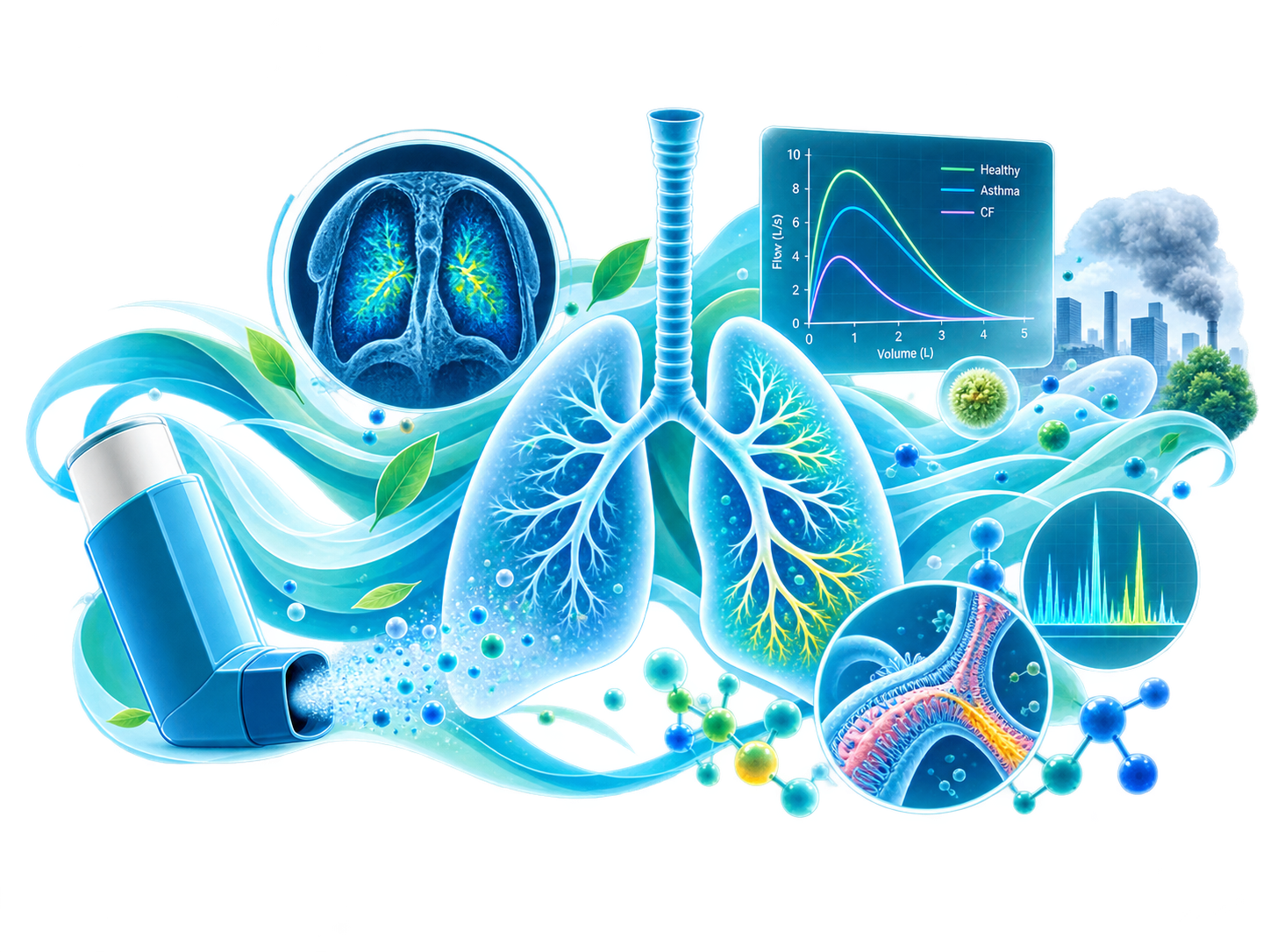
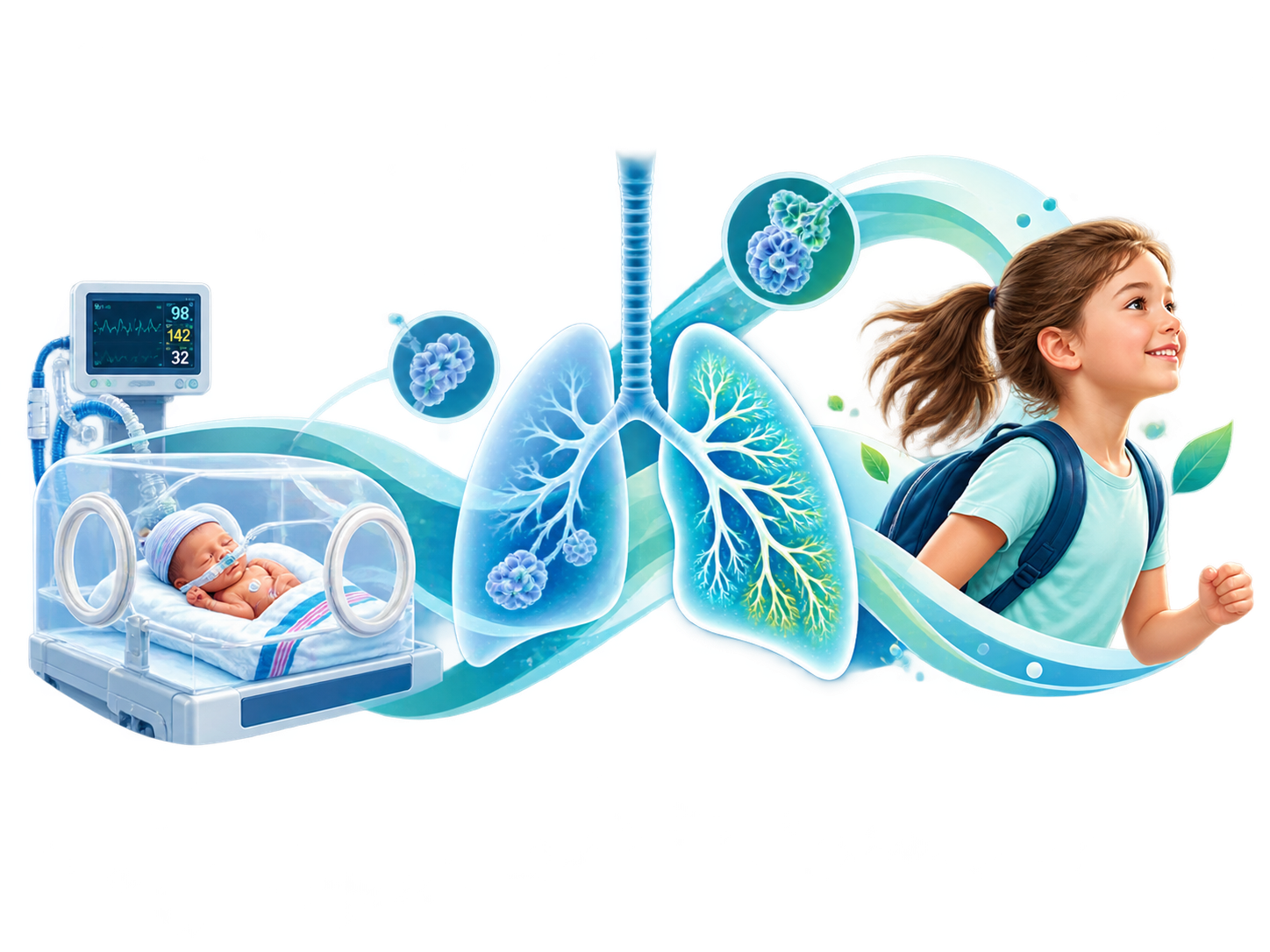
Together, RHiNO studies show that respiratory disease after preterm birth is heterogeneous,
biologically complex and potentially modifiable. The findings provide a basis for more precise
diagnosis, follow-up and intervention.
01
Preterm birth can alter lung health long after infancy
Children born preterm have an increased risk of respiratory symptoms and lower expiratory airflow
at school age. These abnormalities are not confined to children born extremely preterm or those
diagnosed with BPD as neonates.
Why it matters: prematurity should be considered a lifelong respiratory exposure, not simply a neonatal event.
02
BPD does not fully explain later respiratory disease
Bronchopulmonary dysplasia remains important, but later lung function reflects multiple developmental
influences including gestational age, fetal growth and postnatal exposures. Abnormal physiology can
occur even in children without neonatal BPD.
Why it matters: later respiratory assessment should be based on current physiology as well as neonatal history.
03
PLD comprises distinct physiological phenotypes
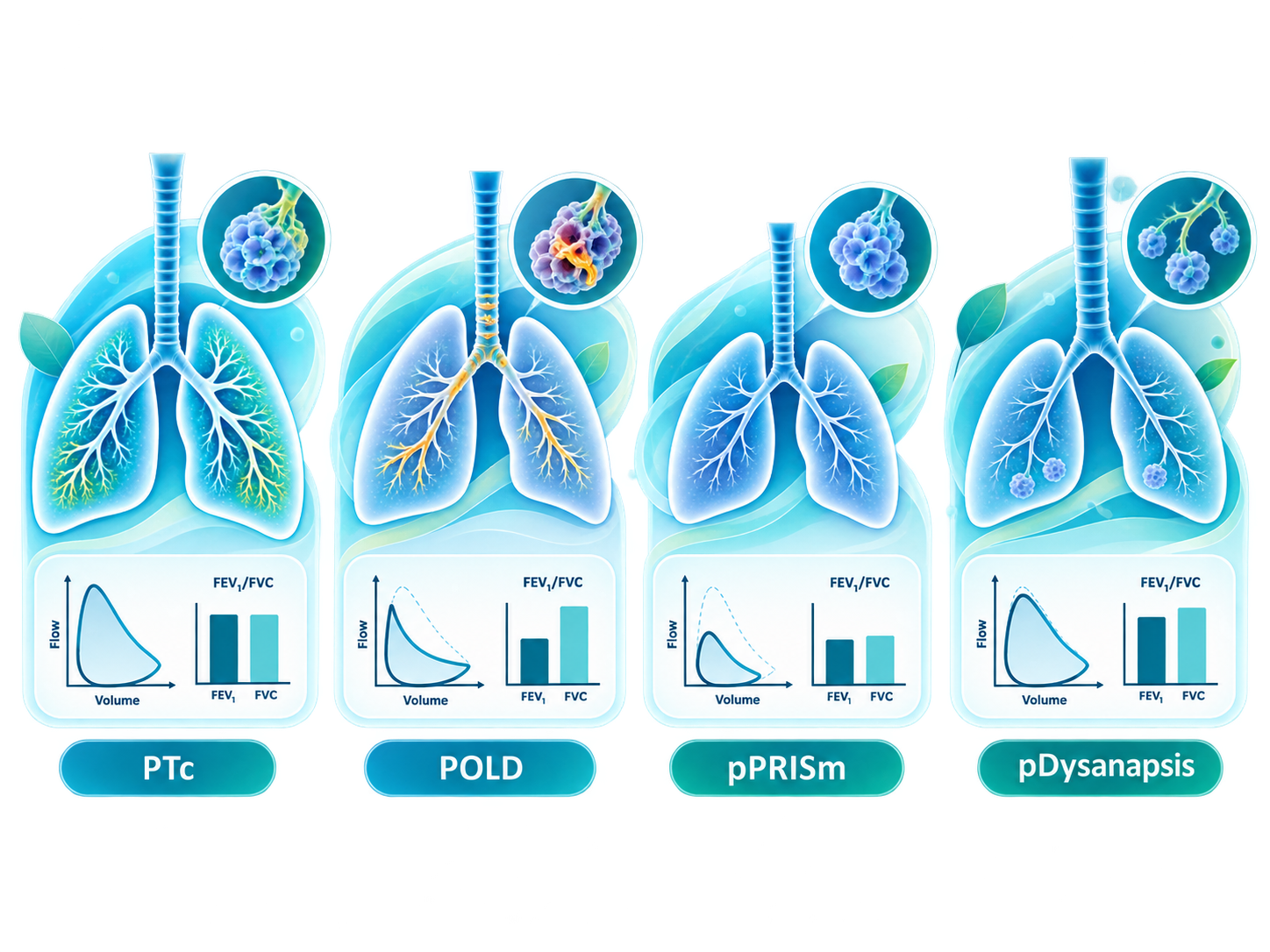
RHiNO helped characterise POLD, pPRISm and
pDysanapsis, alongside a preterm control pattern. These phenotypes are defined using
routinely measured spirometry and show that PLD is not one uniform disease.
Why it matters: different phenotypes may have different mechanisms, prognoses and treatment responses.
04
Some airflow limitation is reversible
Bronchodilator testing demonstrates that a substantial proportion of abnormal pre-bronchodilator
spirometry can move into the preterm-control range after treatment, but the degree of reversibility
differs according to physiological phenotype.
Why it matters: PLD should not automatically be assumed to represent fixed airway disease.
05
Inhaled treatment can improve lung function
The RHiNO randomised clinical trial showed clinically important improvement in lung function with
combined inhaled corticosteroid/long-acting β2-agonist therapy in selected preterm-born
children with reduced lung function.
Why it matters: at least part of prematurity-associated airflow limitation is treatable.
06
Exercise reveals consequences beyond resting spirometry
Exercise studies show abnormalities in cardiorespiratory performance after preterm birth, including
differences in ventilatory and physiological responses that are not fully captured by a resting
spirometry measurement.
Why it matters: functional respiratory health is broader than FEV₁ alone.
07
Advanced MRI reveals regional lung abnormalities
Hyperpolarised-gas MRI and complementary physiological techniques can identify regional abnormalities
of ventilation and gas exchange in preterm-born children that may be missed by conventional global
lung-function measurements.
Why it matters: children with similar spirometry can still have different underlying lung structure and function.
08
The environment can add to developmental lung vulnerability
RHiNO research into ambient air pollution highlights the importance of potentially modifiable
postnatal exposures acting on lungs whose development was already altered by preterm birth.
Why it matters: preserving lung health after discharge may influence future respiratory trajectories.
09
Biology may connect POLD with later obstructive lung disease
Metabolomic and mechanistic studies identify disturbances in pathways related to oxidative stress,
energy metabolism and airway biology. Some abnormalities seen in POLD resemble those reported in
adult COPD.
Why it matters: childhood PLD may provide early clues to later chronic respiratory risk.
10
Lung health is a trajectory, not a single measurement
RHiNO is increasingly studying how PLD phenotypes and lung function change through adolescence
and towards adulthood. Some physiological patterns appear more stable than others, while some
individuals transition between phenotypes as their lungs grow.
Why it matters: the long-term goal is to identify adverse trajectories early enough to modify them.