Cardiff University
Clinical leadership, cohort research, respiratory phenotyping, laboratory science and long-term programme development.
Respiratory Health Outcomes in Neonates (RHiNO) brought together paediatric respiratory medicine, physiology, imaging, trials, epidemiology, statistics, nursing and parent involvement to understand how preterm birth affects the lungs from childhood towards adult life.
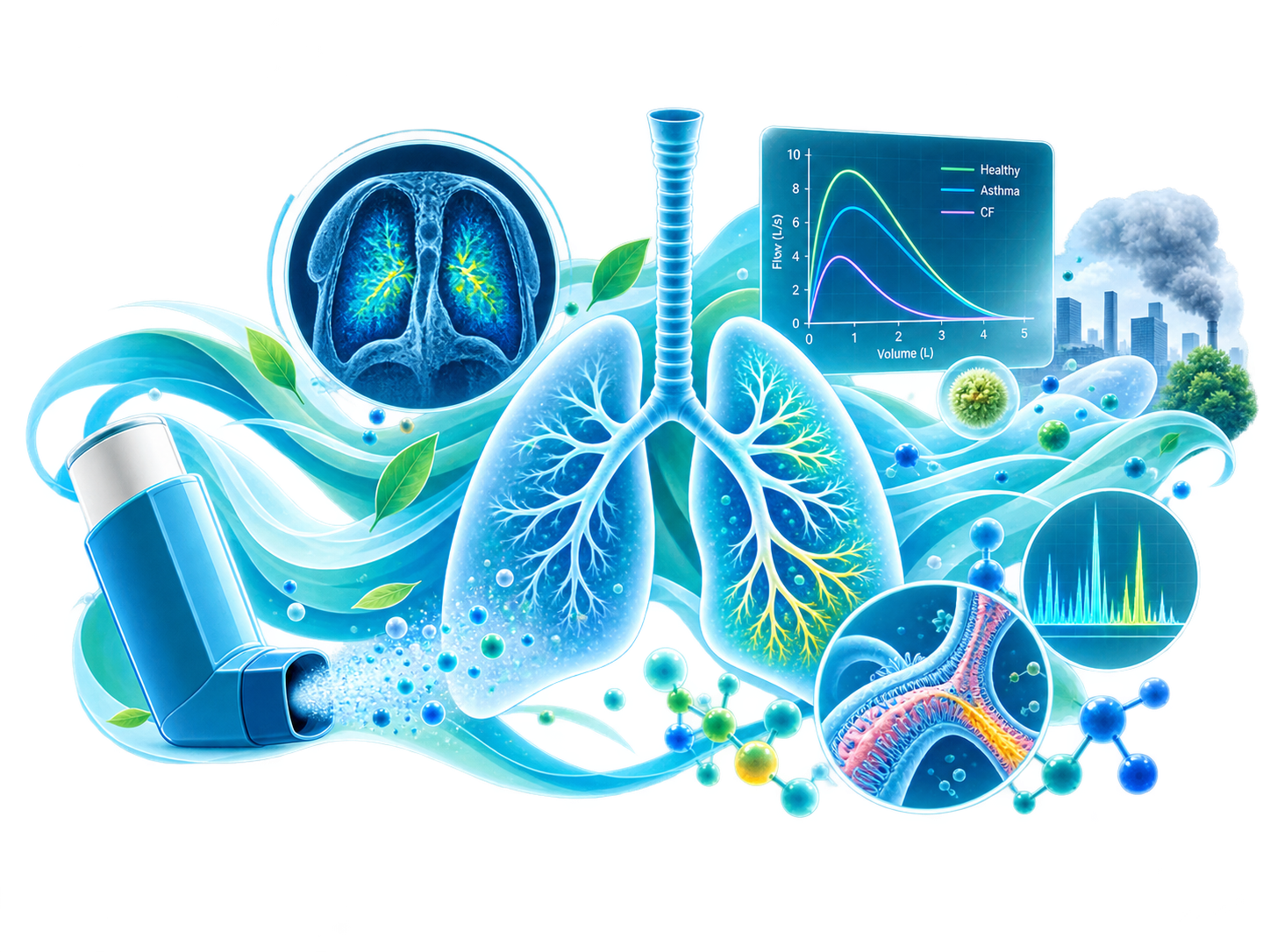
RHiNO grew from the earlier RANOPs population programme and was developed as a collaboration between Cardiff, Bristol, Sheffield, Bangor/NWORTH and the University of South Wales, with parent representation embedded in the programme.
Clinical leadership, cohort research, respiratory phenotyping, laboratory science and long-term programme development.
Clinical respiratory expertise and delivery through the Children’s Hospital for Wales.
Respiratory and epidemiological collaboration supporting interpretation of childhood outcomes.
Advanced hyperpolarised-gas lung MRI and specialist imaging expertise.
Trial management, data quality, monitoring and statistical infrastructure.
Exercise and physiological collaboration within the wider RHiNO programme.
The original RHiNO collaboration included the following investigators and contributors. For the production site, current titles and affiliations should be checked before publication while preserving the historical record of who established and delivered the study.
Cardiff University
Chief InvestigatorUniversity of Bristol
Respiratory collaboratorUniversity of Sheffield
Advanced lung MRIUniversity of South Wales
Exercise / physiologyCardiff University
Scientific collaboratorCardiff & Vale UHB
Paediatric respiratory medicineBangor University
Trials / statisticsBangor University
Trial managementParent representative
Parent and public involvementCardiff University
Research collaboratorCardiff University
Research collaboratorRecruitment, respiratory assessment, longitudinal follow-up and interpretation of childhood respiratory outcomes.
Participant contact, home visits, study procedures, trial delivery and support for children and families.
Randomisation, monitoring, data quality, statistical analysis and trial governance through NWORTH and collaborators.
Exercise testing, detailed respiratory mechanics, imaging and physiological characterisation beyond routine spirometry.
Metabolomics, molecular biology and other laboratory approaches aimed at understanding why PLD phenotypes differ.
Parent representation informed the programme, while participating families made every subsequent discovery possible.
The original participant information sheets also described how study data and samples were handled and how confidentiality was protected. Those documents remain available in the historical participant archive.
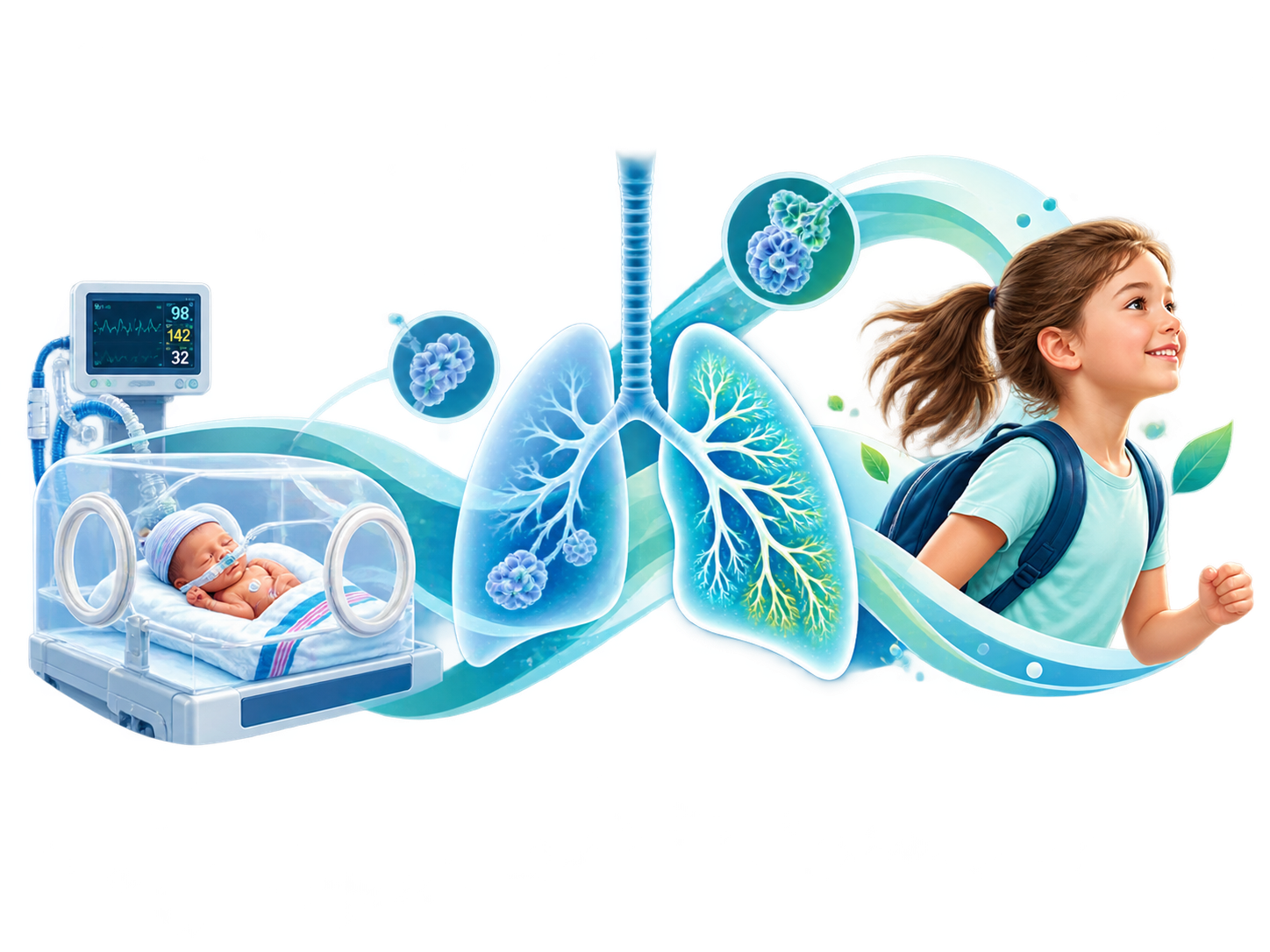
RHiNO is now increasingly focused on how prematurity-associated lung disease phenotypes evolve through adolescence and adulthood, whether abnormalities are reversible, how environmental and biological mechanisms contribute, and which interventions might preserve lung-growth trajectories.
This shift—from describing symptoms to defining phenotype, mechanism, trajectory and treatment—is the reason RHiNO now functions as a scientific hub rather than simply a completed childhood study.
The current RHiNO website still carries historic recruitment-era contact wording. Before the redesigned site goes live, the active contact route should be verified and the site should include modern Privacy and Accessibility pages.
The current live site lists the RHiNO Office at University Hospital of Wales and the historic RHiNO contact route.
View current contact page ↗A dedicated website privacy page should be kept separate from the historical research consent documentation.
The final WordPress site should include an accessibility statement and be tested against current WCAG expectations.
Azithromycin Therapy for Chronic Lung Disease of Prematurity
Visit AZTEC ↗Preventing respiratory infections after discharge
Visit BALLOON ↗Respiratory Health Outcomes in Neonates
RHiNO home →